
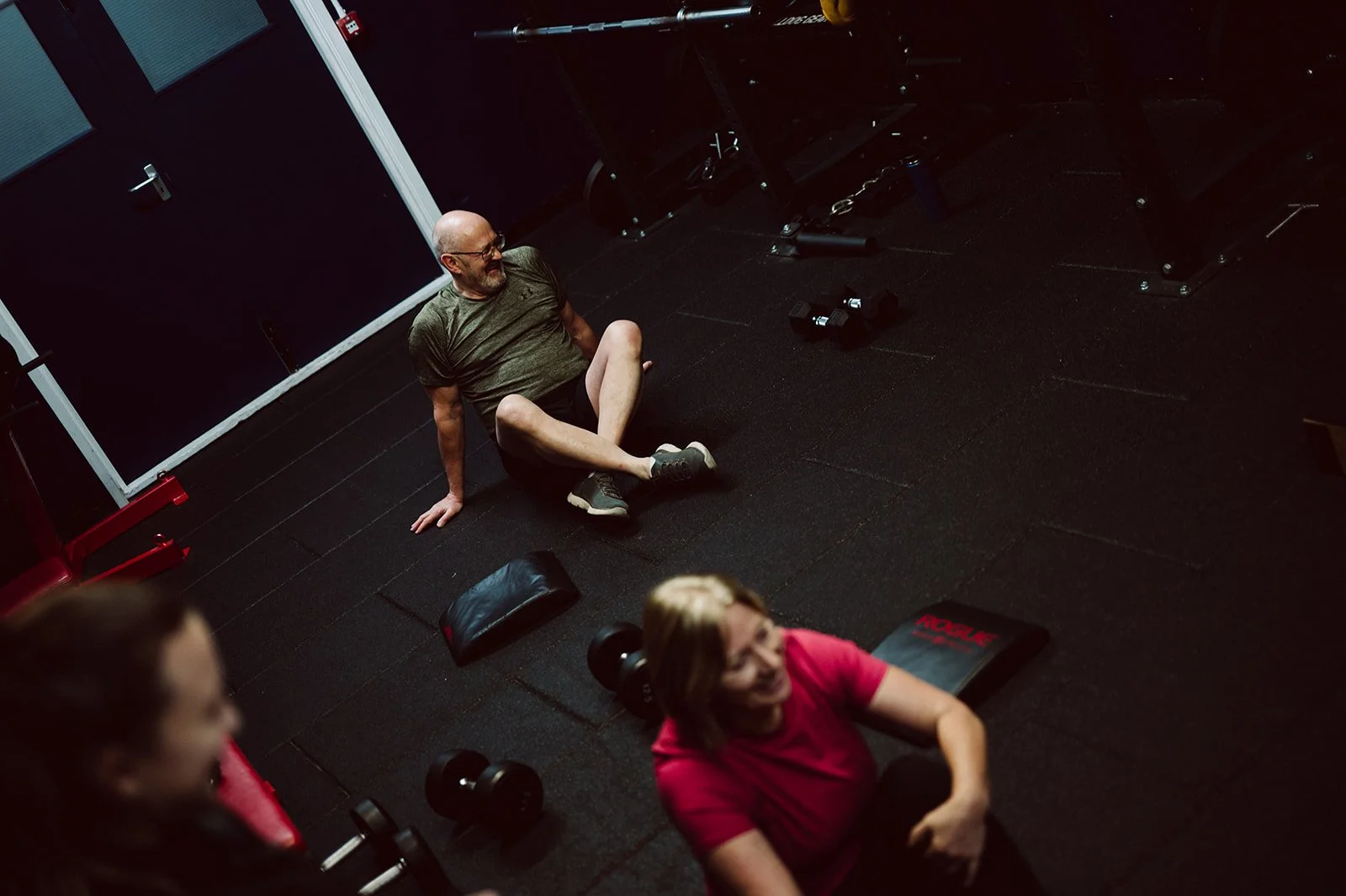
Why Mobility Belongs in Every Session After 40 (Not Just a Five-Minute Warm-Up)
Most people think mobility work is something you bolt on before the "real" training starts. We think it is the real training. Here's why we build it into every session for our members over 40 — and how one member's story shows exactly why it matters.

The 80/20 Approach to Eating When You Don't Have Time to Meal Prep
Most nutrition advice assumes you've got a free Sunday afternoon and a meal prep habit. Most of our members don't. Here's the more flexible approach we actually coach — and why it works better long term than any "perfect" diet.

Why September Beats January for Getting Back Into Training (No, Really)
January gets all the credit for fresh starts, but if you're a busy parent or professional in Bedford, September is doing the heavy lifting. Here's why the back-to-school reset is the best window all year to get back into training — and how to use it without overhauling your whole life.

Menopause and Strength Training: Why It Matters More Than You Think
Hot flushes, disrupted sleep, a body that suddenly feels less familiar — menopause throws a lot at you at once. Here's why strength training is one of the few things that actually helps, and how our Bedford members are using it to feel more like themselves again.
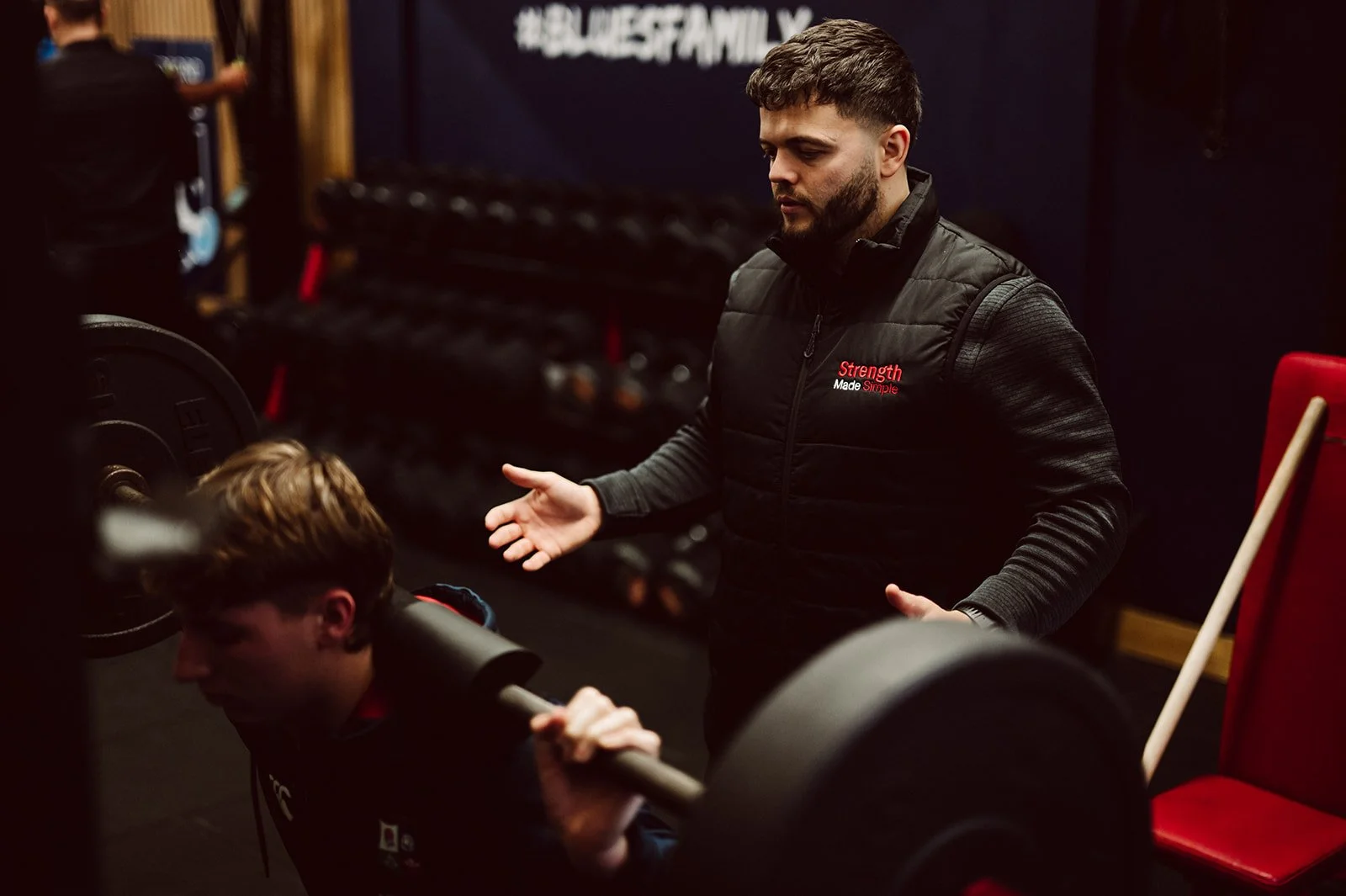
The September Injury Spike: How to Get Young Athletes Back to Sport Safely This Term
Every September, clinics and physios across Bedford see the same spike — young athletes picking up injuries in the first few weeks back at school sport. It's rarely bad luck. Here's what's actually driving it, and the simple groundwork that protects your child before training loads ramp up again.
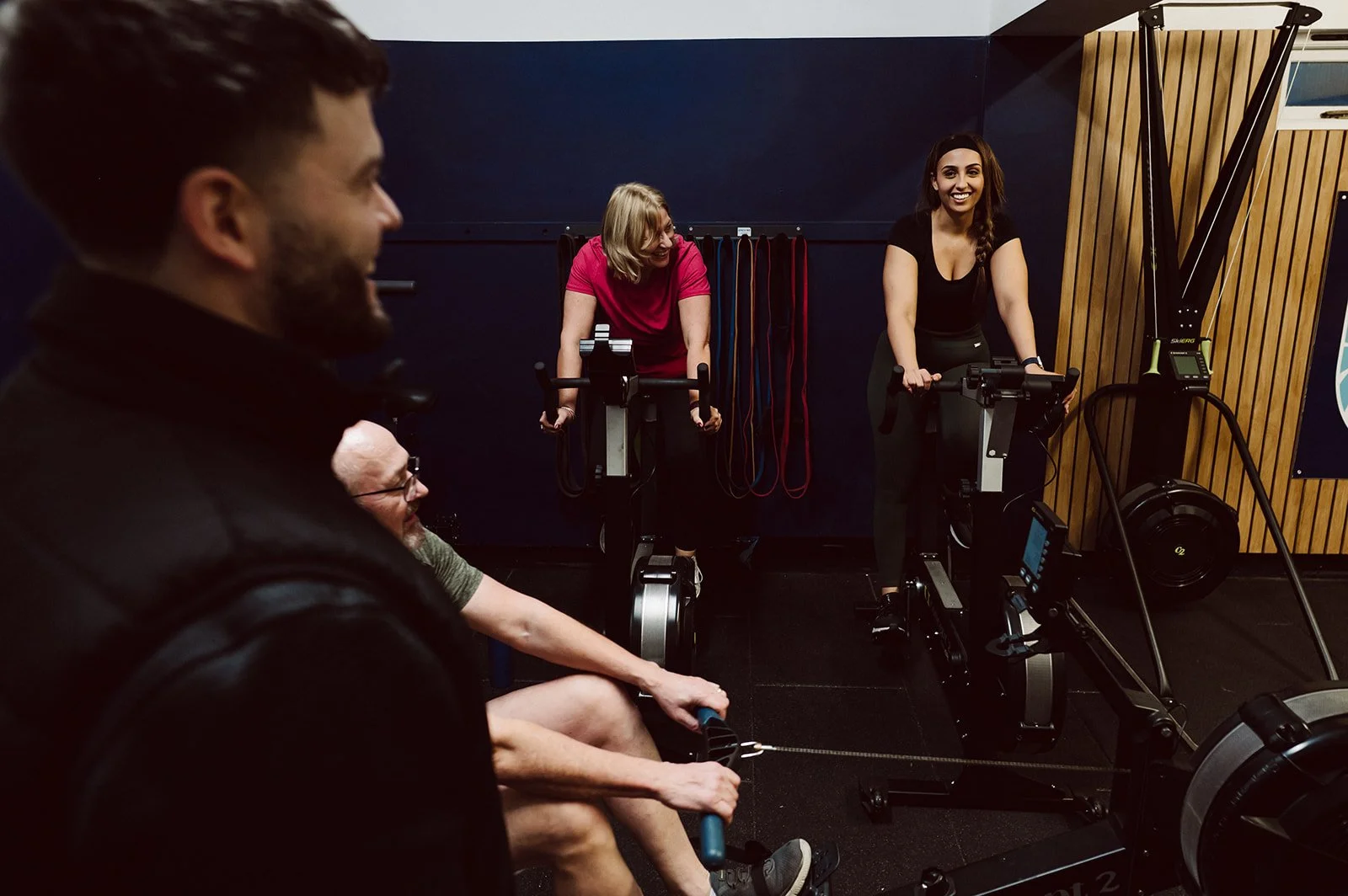
Progress Over Perfection: Why "Good Enough" Training Beats All-or-Nothing After 40
Missed your session, ate the birthday cake, only had 20 minutes instead of an hour — and suddenly the whole week feels "ruined." Here's why that all-or-nothing thinking is the real thing sabotaging your progress, and why a "good enough" session beats a skipped one every single time.
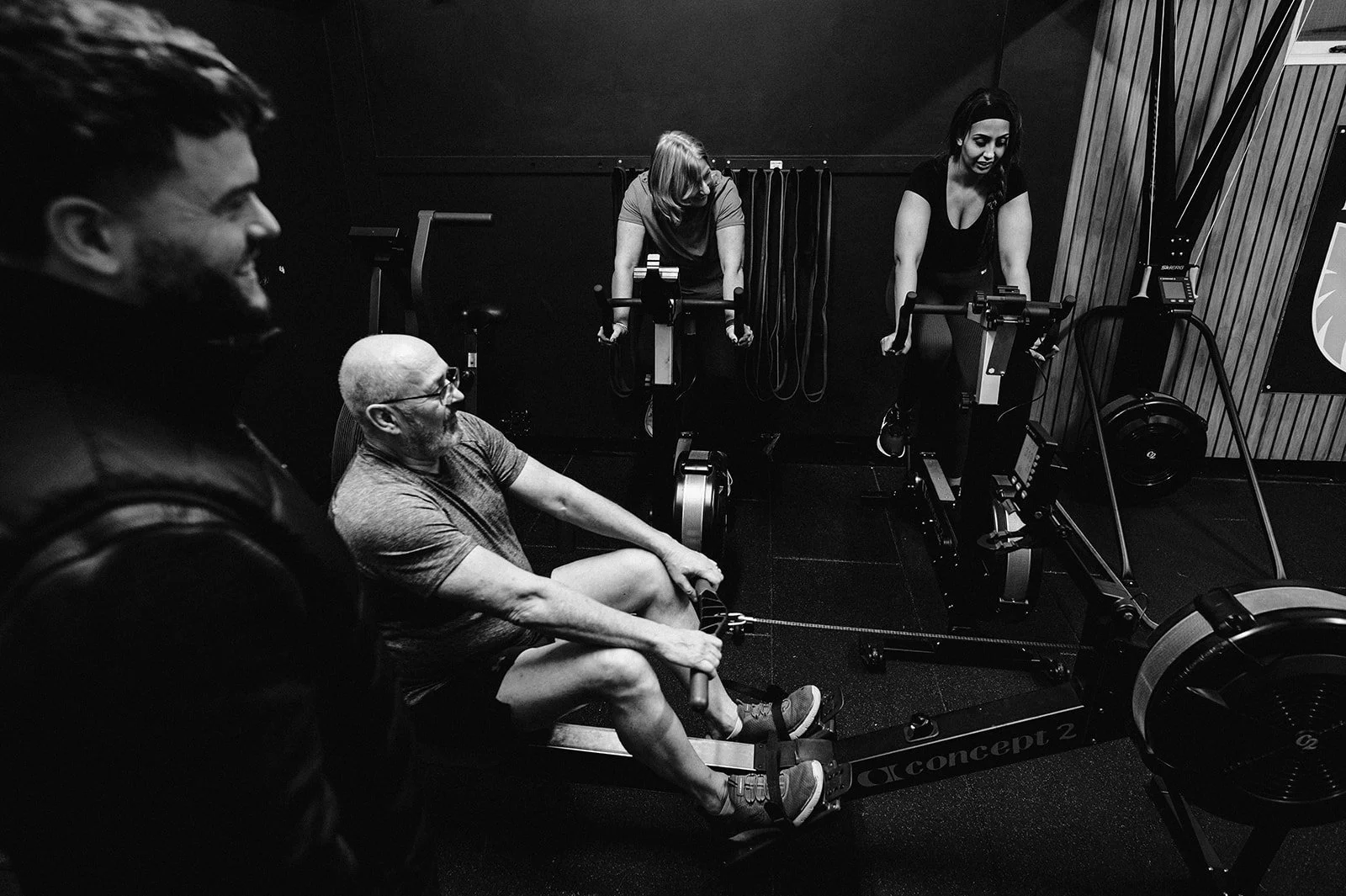
Socialising, Alcohol and Training After 40: How to Enjoy Summer Without Losing Your Progress
Wedding season, garden parties, that "quick one" after work that turns into three — summer social life doesn't exactly line up with training goals. Here's why the odd late night isn't the problem people think it is, and the one habit that actually determines whether your progress survives the season.

Strength Training vs Cardio After 40: What Actually Works
If your go-to plan for "getting back into it" is more running or more classes, it might be time to rethink. Here's why strength training tends to outperform cardio after 40 — for your body, your time, and your sanity.
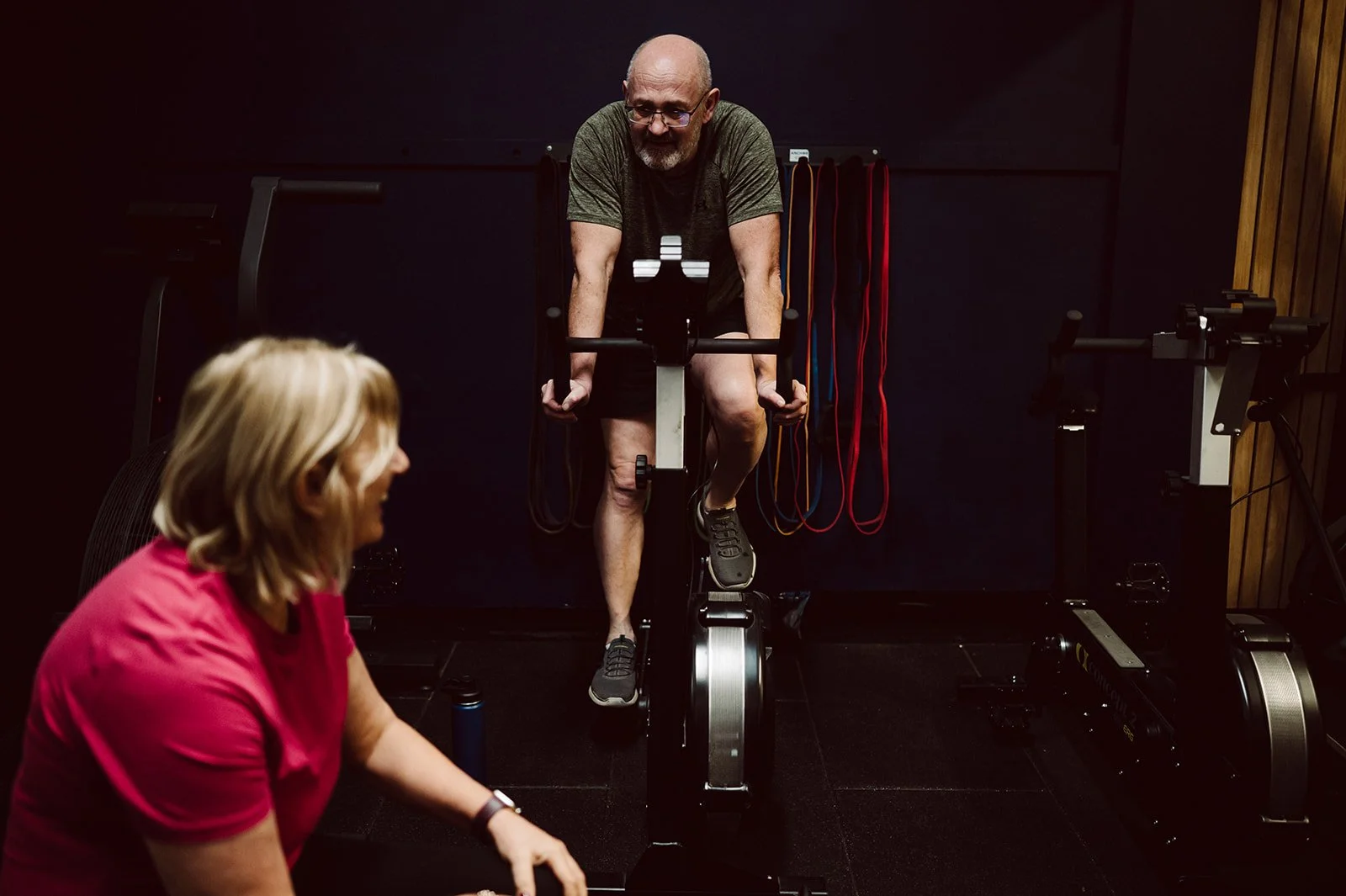
Getting Back on Track When Summer Throws Your Routine Off
Kids off school, holidays booked, routine in bits — sound familiar? Here's why a few disrupted weeks don't undo your progress, and the simplest way to pick training back up without a guilt trip or a "restart Monday."
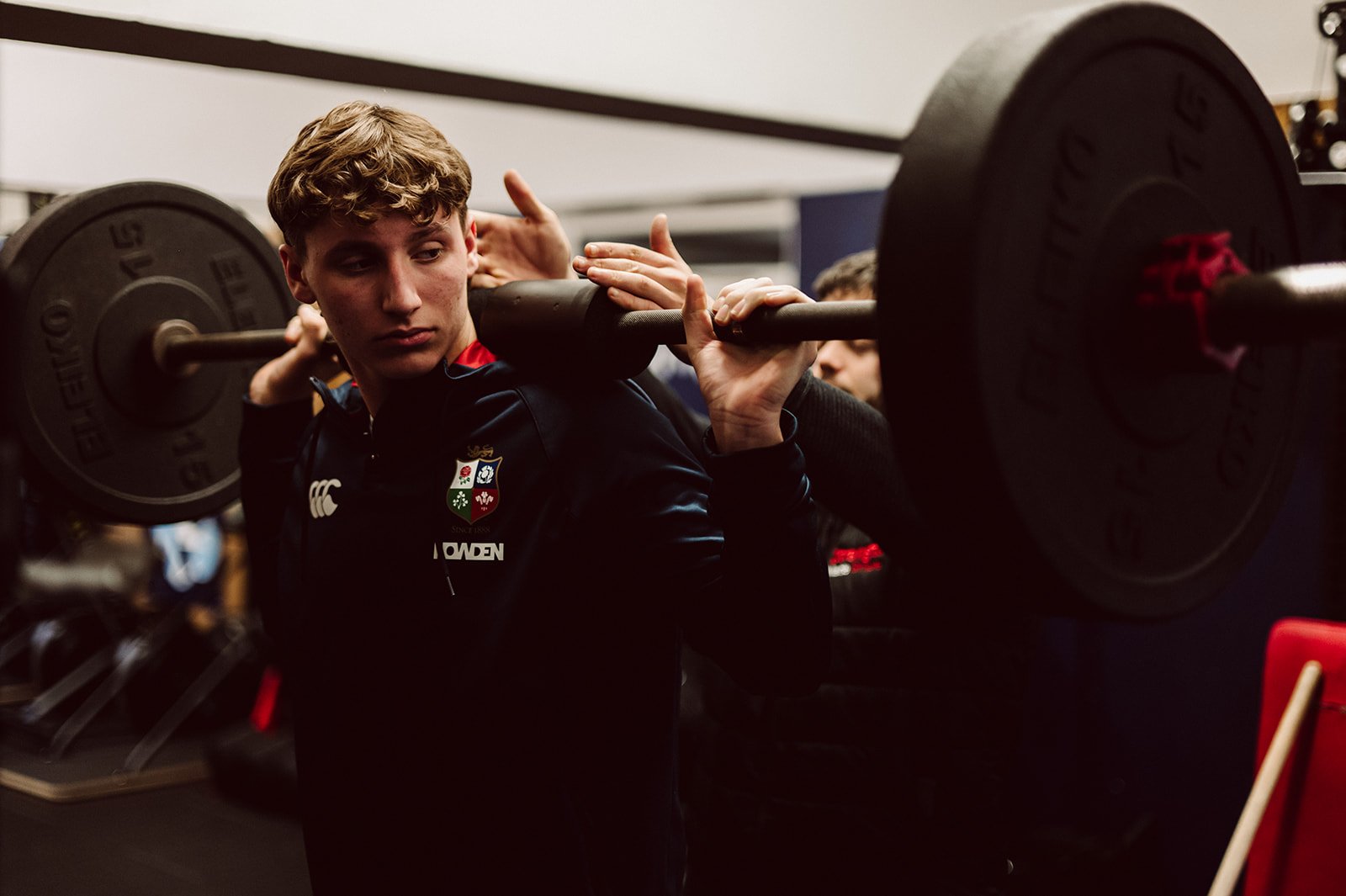
Getting Your Teen Athlete Ready for Pre-Season: A Parent's Guide to Summer Strength Training
Pre-season starts in a few weeks, and the summer gap is the best window all year to build a young athlete's strength base. Here's what actually helps, what's a myth, and how to tell if your teenager is ready.
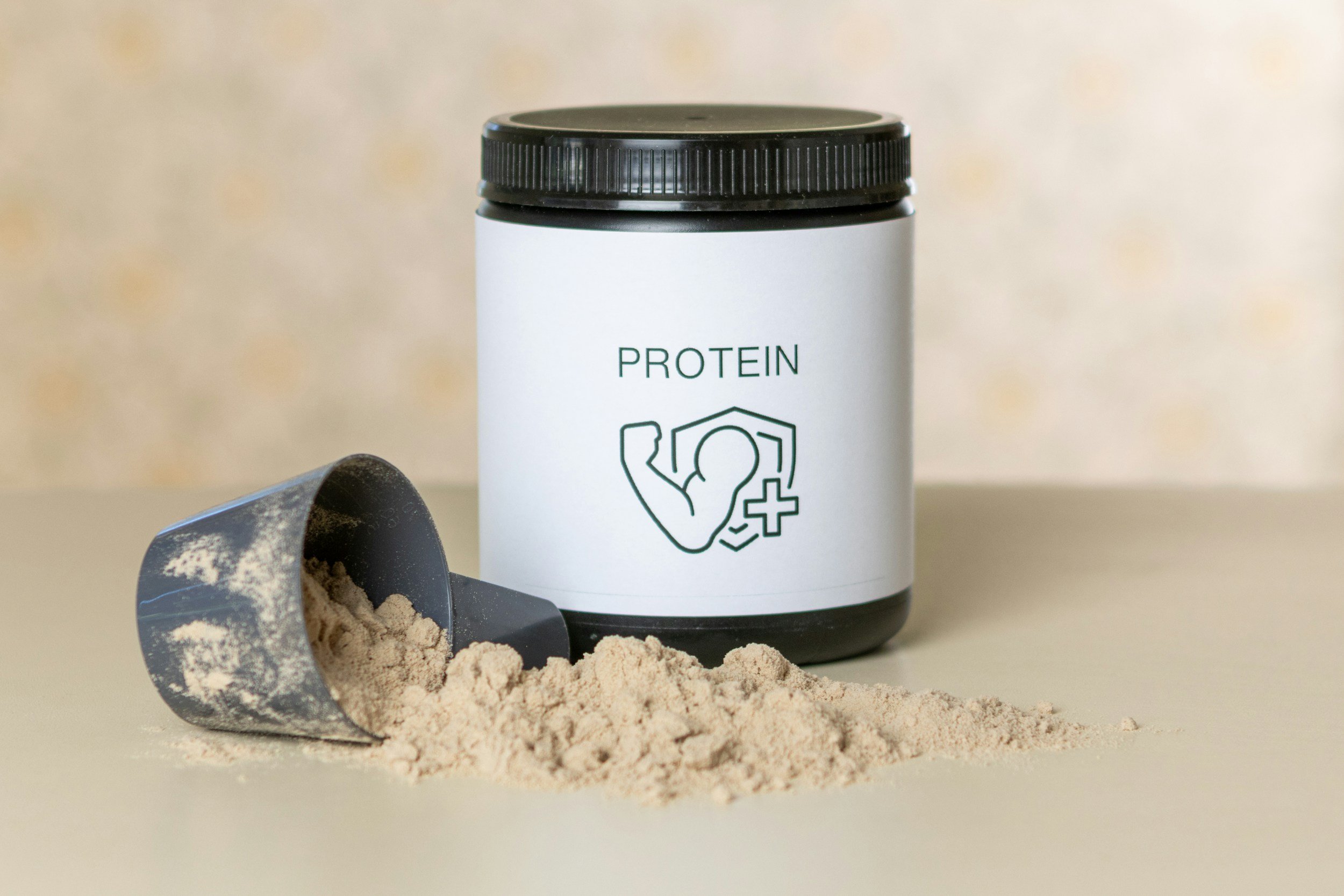
Protein After 40: Why It Matters More As Life Gets Busier
Your protein needs don't go down as you get older — they go up, right around the time your diary gets fullest. Here's what's actually going on, and how to hit your numbers without living off chicken and rice.
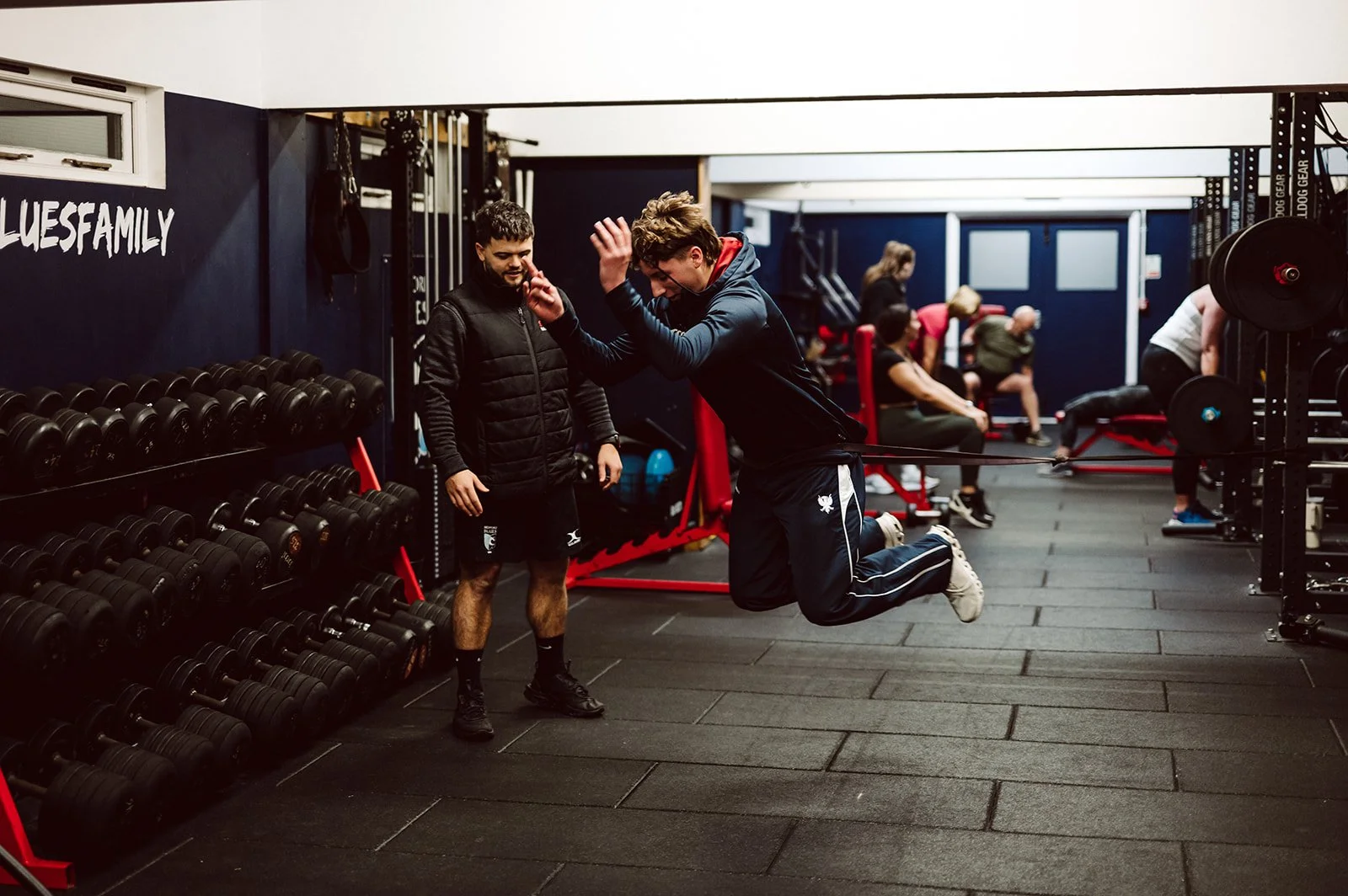
Fuelling Young Athletes: A Simple Nutrition Guide for Bedford Parents
Training hard but still fading in the second half? A simple, no-fuss nutrition guide for Bedford parents to help young athletes recover, perform and concentrate — without turning mealtimes into a battle.
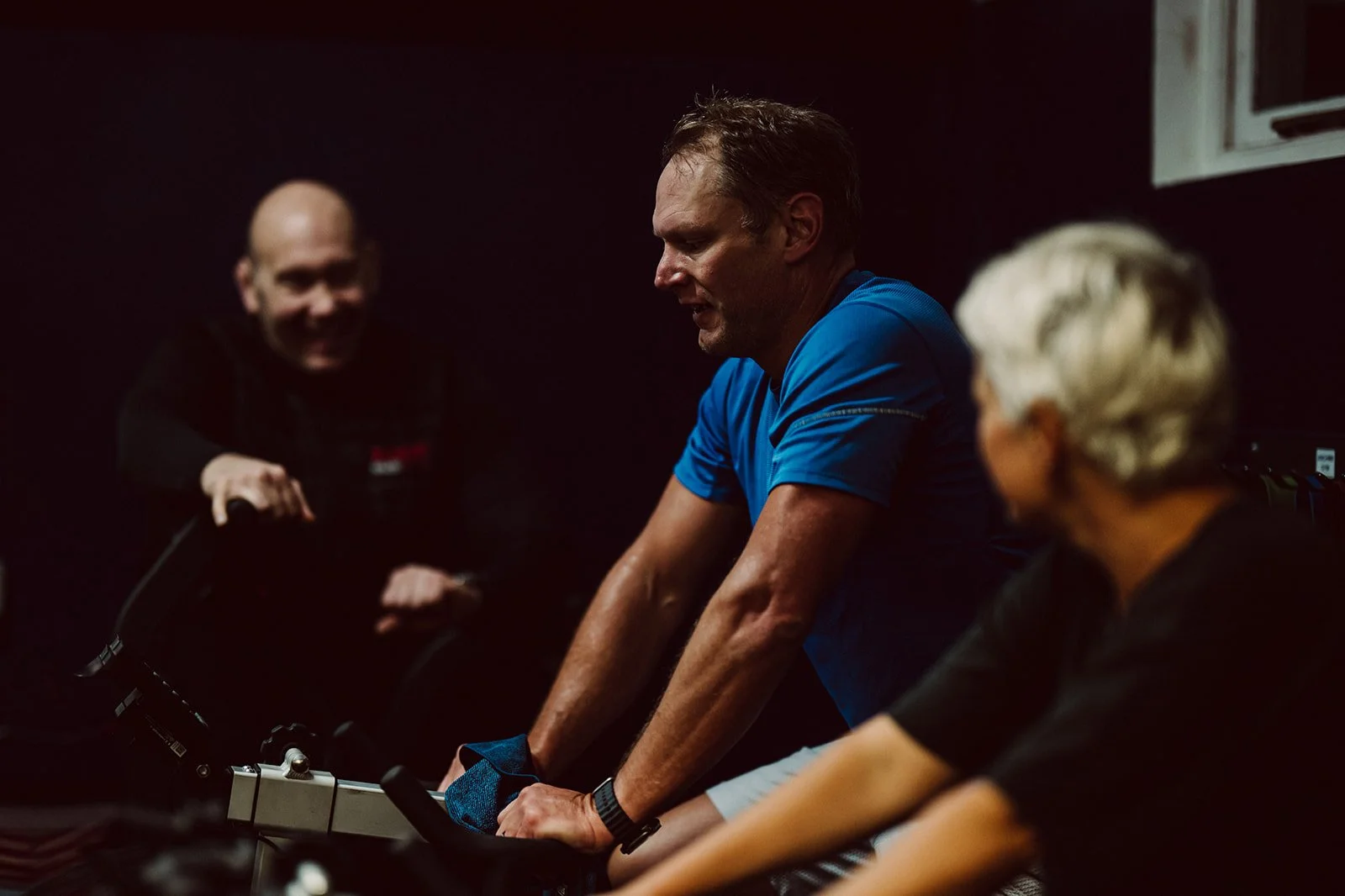
How Busy Professionals in Castle Road Are Making Time to Train (Without Losing Their Evenings)
Feel like fitness is always the first thing to get cancelled? Here's why "I don't have time" usually isn't really about time — and how busy Castle Road professionals are building training into their week without losing their evenings.
Consistency Beats Motivation: The Real Secret To Getting Fitter After 40
Waiting to feel motivated before you train? Here's why consistency — not motivation — is what actually gets Bedford adults over 40 fitter, stronger and happier. No willpower required.
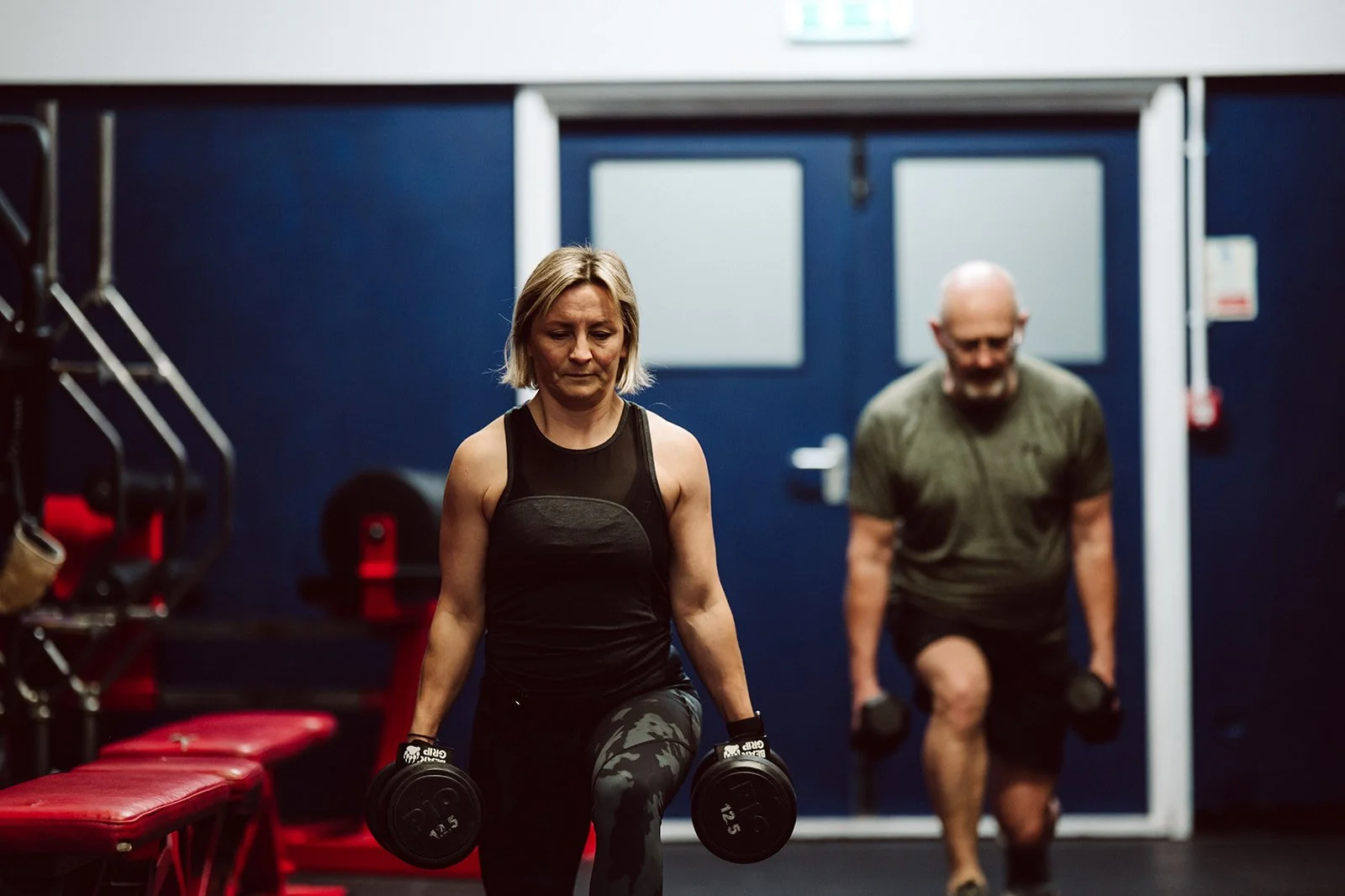
Training For HYROX In Bedford: What Actually Prepares You For Race Day
Thinking about a HYROX race? Here's what training actually needs to look like to get you across the finish line strong — from a Bedford gym built on strength and conditioning fundamentals.
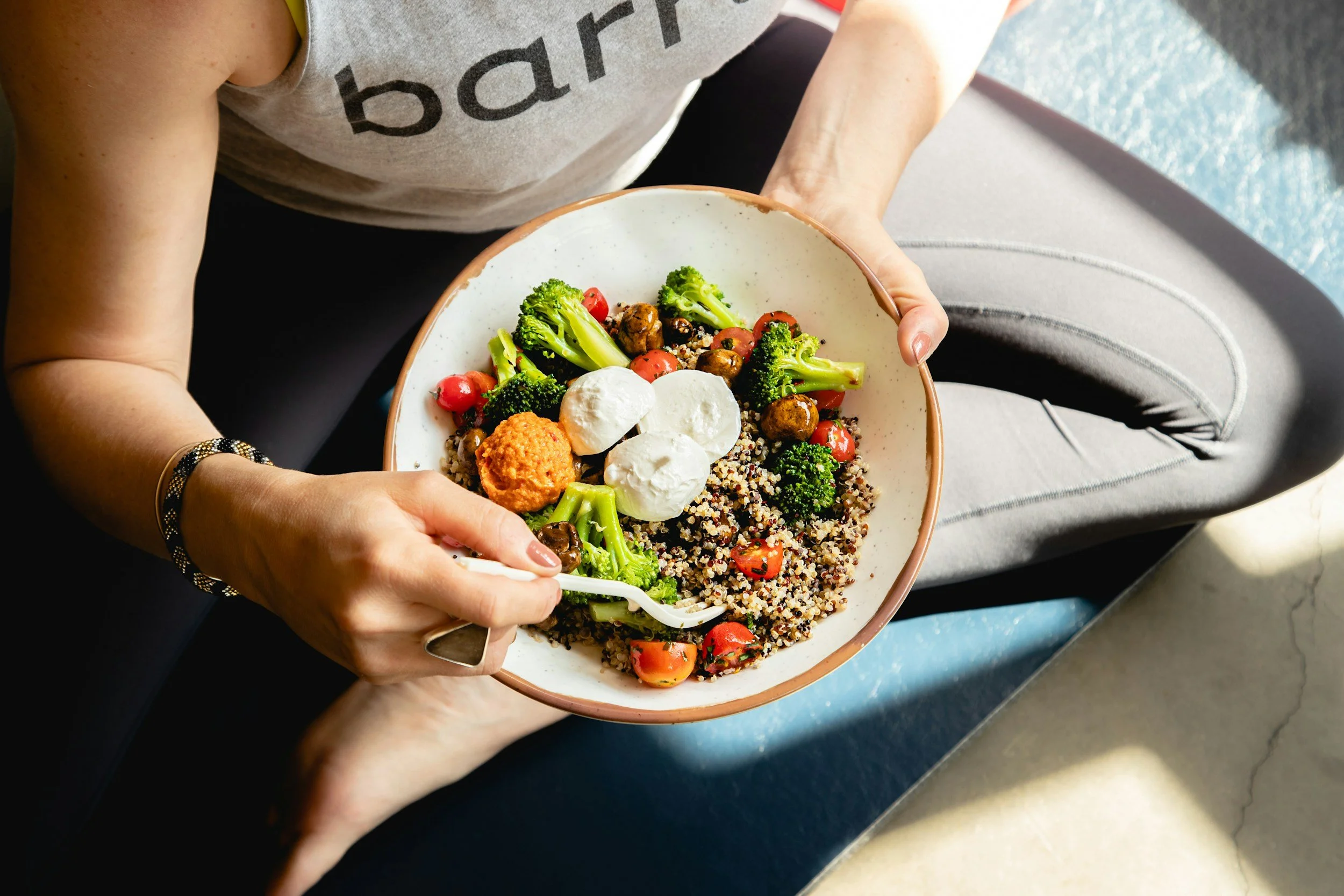
Fuel Your Body, Don't Fight It: Why Nutrition Should Support Your Training, Not Punish You
For years, the fitness industry has taught us that nutrition is all about eating less. Less food. Less carbs. Less calories. Less enjoyment. It's no wonder so many people think healthy eating feels like a punishment. But what if we looked at nutrition differently? What if, instead of asking... "How little can I eat?" ...we started asking... "How can I fuel my body to feel and perform at its best?" At Strength Made Simple, that's exactly how we approach nutrition. Because food isn't just about losing weight. It's about giving your body what it needs to become stronger, healthier and more capable. Your Body Needs Fuel Imagine trying to drive from Bedford to Edinburgh with an almost empty fuel tank. You wouldn't expect the car to perform very well…
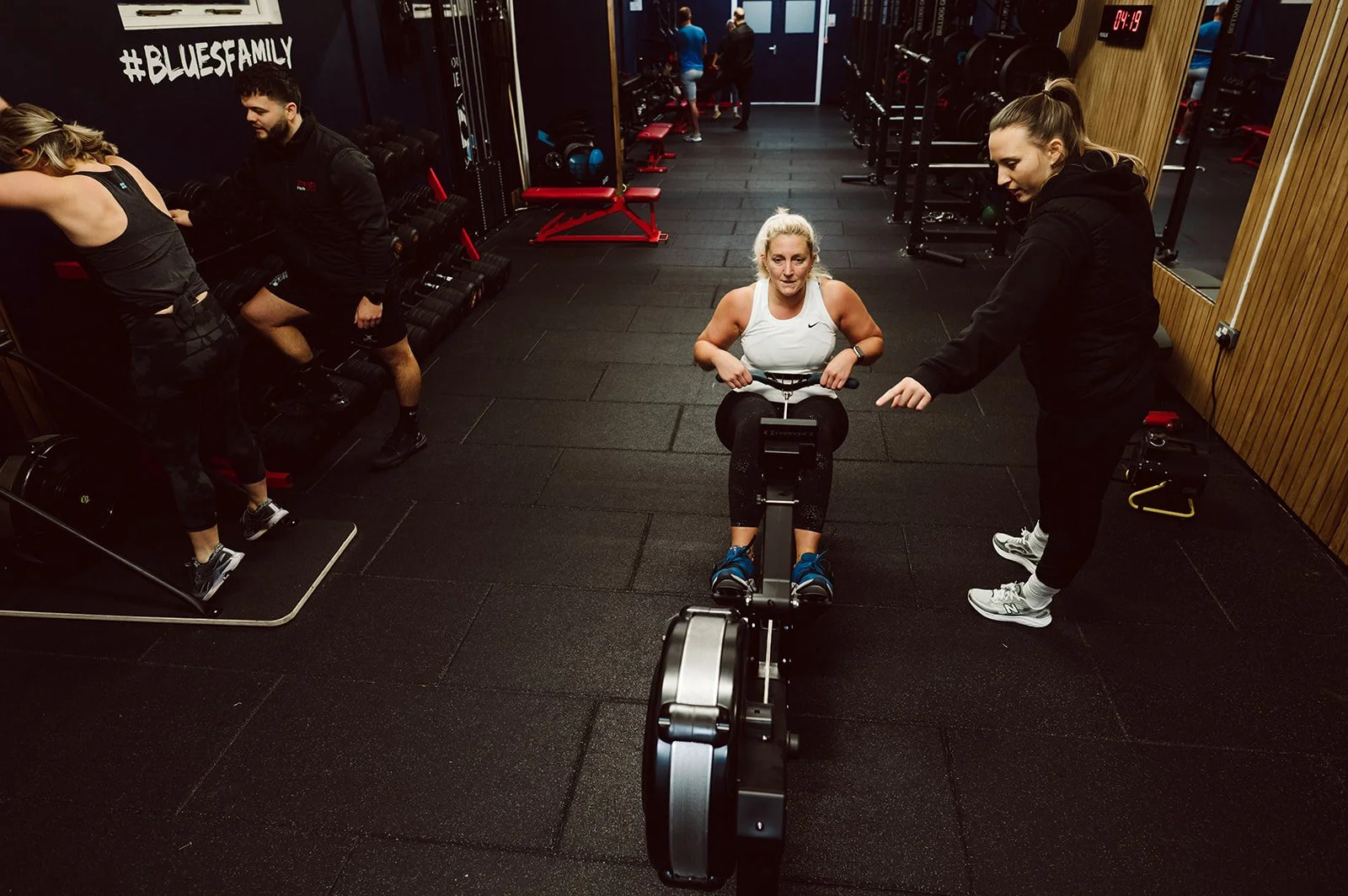
The Unexpected Reason Hundreds of People in Bedford Are Going to the Gym (It's Not About Weight Loss)
Something has shifted. When people come through our doors at Strength Made Simple, they used to lead with the same goals: lose weight, tone up, get fitter. That still happens. But increasingly, something else comes up first. "I've been struggling with anxiety." "My stress levels are through the roof." "I just don't feel like myself anymore." And then, almost apologetically: "I thought training might help." It does. More than most people realise…
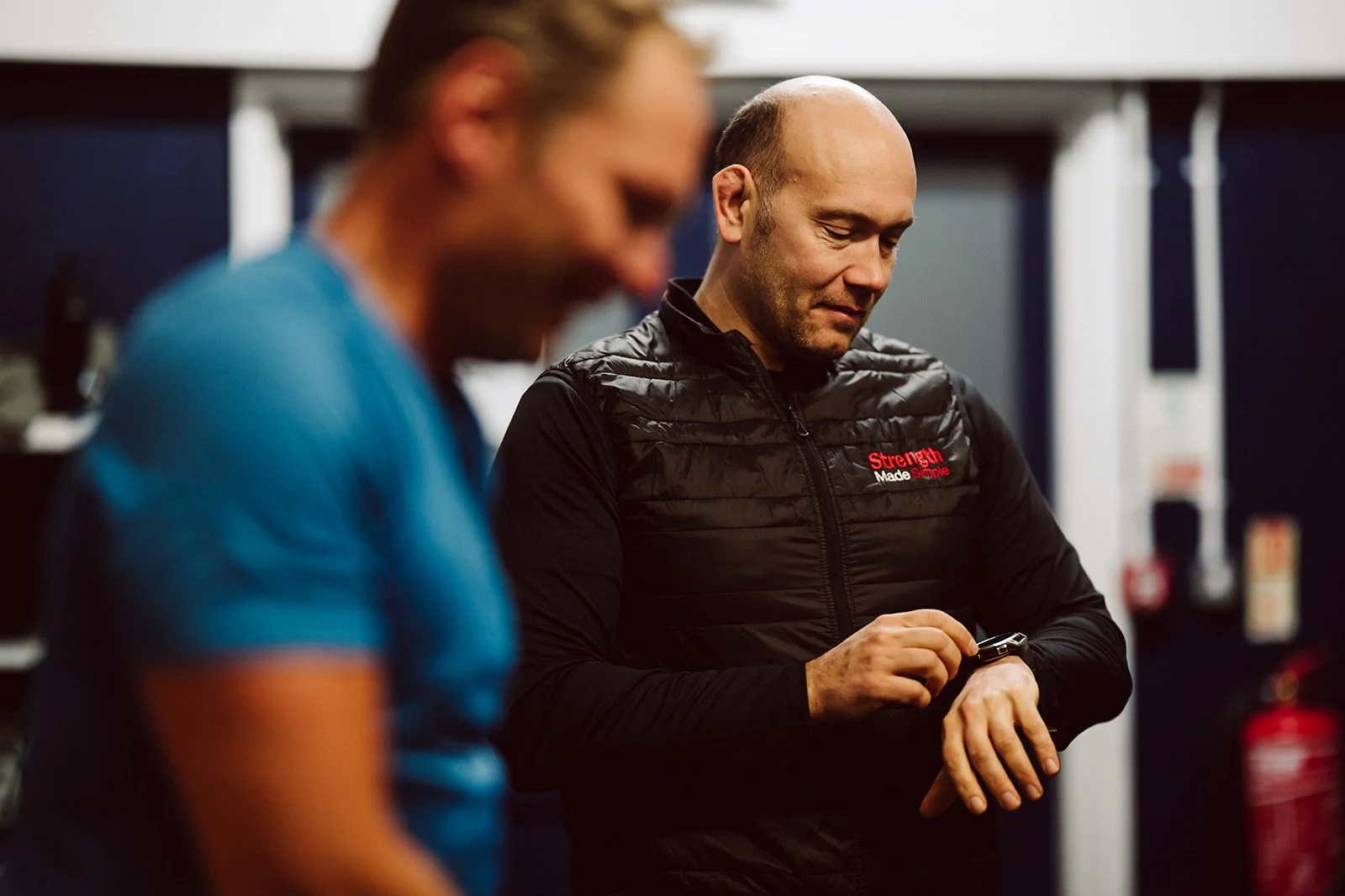
How To Stay Fit When You Work Full Time
If you've ever found yourself saying: "I'd love to get fitter, but I just don't have time..." You're not alone. One of the biggest challenges facing adults today isn't a lack of information. It's a lack of time. Between work, commuting, family commitments, social events and everything else life throws at us, fitness can quickly slide down the priority list. Many people assume that getting fit requires:
Training six days per week
Spending hours in the gym
Eating perfectly
Following complicated programmes
The good news? It doesn't.
In fact, some of the fittest members at Strength Made Simple are also some of the busiest. The difference is that they've learned how to make fitness fit around their life rather than trying to fit life around fitness.

Strength Training For Women Over 40: Why It's One Of The Best Things You Can Do For Your Health
If you're a woman over 40, you've probably noticed that your body doesn't always respond the way it used to. The weight that once seemed easy to lose now sticks around. Energy levels can feel lower. Aches and pains appear more often. And despite eating well and staying active, maintaining your fitness can feel more challenging than it did ten or twenty years ago. If this sounds familiar, you're not imagining it. As we get older, our bodies change. The good news? There is one type of exercise that can make a huge difference to your health, confidence and quality of life. Strength training.
Personal Training vs Group Training: Which Is Better?
If you're thinking about improving your fitness, losing weight or getting stronger, you've probably come across two common options: Personal Training. Group Training. Both can help you achieve excellent results. The question is: Which one is right for you? The answer depends on your goals, experience, budget and personality. Let's take a closer look.